

Summary: The role of mentor is fundamental to personal and professional growth, serving as a guiding force that helps individuals navigate challenges, develop essential skills, and unlock their full potential. This blog explores the key responsibilities of a mentor, including providing guidance, fostering development, serving as a role model, offering support, creating networking opportunities, and challenging mentees to grow beyond their comfort zones.
___________________________________________________________________
What is the Role of mentor? A Guide to the Primary Responsibilities
Mentor Responsibilities | Importance of Mentorship | Mentor vs Coach

In today’s fast-paced world, understanding what is the role of a mentor has become vital for personal and professional development. A mentor serves as a guide and trusted advisor who helps individuals navigate career paths, develop essential skills, and achieve their full potential. The role of mentor extends far beyond simple advice-giving—it encompasses nurturing talent, building confidence, and fostering growth. This guide explores key mentor responsibilities and explains why understanding what does a mentor do is essential for anyone looking to make a meaningful impact. The importance of mentorship cannot be overstated, as it shapes tomorrow’s leaders through dedicated guidance and support.
Understanding What is a Mentor and Their Core Purpose
Before diving into specific responsibilities, it is essential to understand what is a mentor—an experienced advisor who invests time in developing another person’s potential through personalized guidance. The duties of a mentor include setting clear expectations, creating safe spaces for communication, and embodying qualities of a good mentor, like patience and authenticity. Understanding the difference between coaching and mentoring is also important: coaching focuses on specific skills within a fixed timeframe, while mentoring covers broader personal and professional development over time. Unlike motivational speakers who provide one-time inspiration, mentorship offers ongoing guidance that creates lasting transformation.
The Role of Mentor as a Guide and Advisor
The responsibilities of a mentor in this area require balancing direction with allowing the mentee to maintain autonomy.
-
Providing Direction Without Dictating
A key aspect of the role of mentor is striking the right balance between offering direction and allowing autonomy. Effective mentors help mentees discover their own paths by presenting options and asking thought-provoking questions rather than simply telling them what to do. This approach aligns with the best qualities of a good mentor—patience, wisdom, and respect for individuality. When a mentee faces a difficult decision, a skilled mentor shares relevant experiences but stops short of insisting on a specific path, empowering the mentee to develop their own decision-making skills—a key aspect of how to be a good mentor.
-
Sharing Industry Knowledge and Expertise
Another critical component of the role of mentor involves sharing specialized knowledge about the mentee’s field, including industry trends and unwritten rules not covered in formal education. Mentors possess years of wisdom that help mentees accelerate their learning curve. For a mentor for entrepreneurs, this includes market dynamics and fundraising; for a mentor in education, it involves student psychology and teaching methodologies.
Helping Navigate Organizational Politics
The role of mentor also includes helping mentees understand organizational dynamics—how decisions are made, who the key influencers are, and how to build productive relationships. This guidance is invaluable for career advancement. For a youth mentor, this means helping navigate school dynamics and building healthy friendships.
The Role of a Mentor in Personal and Professional Development
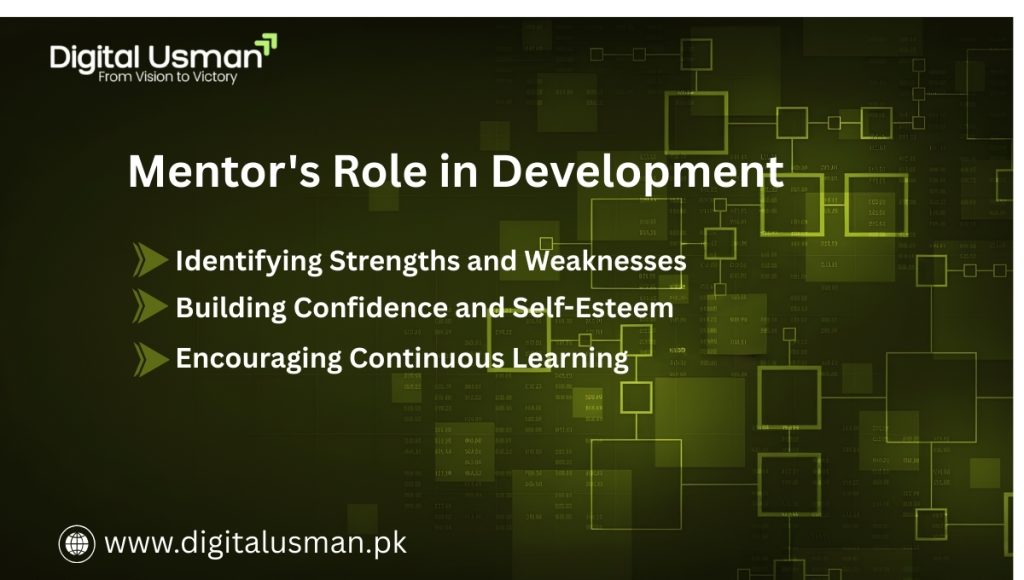
Beyond simple guidance, the role of mentor encompasses fostering personal growth, emotional intelligence, and professional maturity, directly contributing to personality development and long-term success.
-
Identifying Strengths and Weaknesses
A crucial part of the role of a mentor is helping mentees gain honest self-awareness about their capabilities. Mentors observe performance and provide constructive feedback on strengths and areas for improvement, offering an invaluable objective perspective that mentees may lack due to blind spots or underestimated potential.
Effective mentors use various techniques to help mentees discover their strengths, such as:
- Observing how the mentee handles different types of tasks
- Providing opportunities to test new skills in safe environments
- Offering specific, actionable feedback rather than vague praise or criticism
- Encouraging reflection on past successes and challenges
These practices are essential components of any effective mentoring program and contribute significantly to the mentee’s growth trajectory.
-
Building Confidence and Self-Esteem
The role of a mentor includes nurturing the mentee’s confidence by providing encouragement and celebrating achievements, which supports overall well-being. This confidence-building is especially powerful because it comes from someone the mentee respects and trusts.
-
Encouraging Continuous Learning
The role of a mentor includes instilling a commitment to lifelong learning by encouraging curiosity, recommending resources, and modeling continuous growth. This involves suggesting relevant books—including recommendations from the best personal development books—as well as courses and conferences. Some mentors even create a structured mentoring action plan with their mentees, setting goals for acquiring new knowledge over specific timeframes.
The Role of Mentor as a Role Model and Inspiration

The role of a mentor includes being a living example of success and integrity, embodying the qualities of a good mentor, and inspiring mentees through actions.
Demonstrating Professional Excellence
Mentors serve as tangible proof that hard work leads to success. By observing how mentors handle challenges and make decisions, mentees learn lessons that cannot be conveyed through words alone. Professional excellence demonstrated by mentors includes:
- Maintaining high standards even when no one is watching
- Handling criticism and setbacks with grace
- Treating everyone with respect, regardless of position
- Balancing work demands with personal well-being
These behaviors exemplify how to be a good mentor and create a powerful example for mentees to emulate.
Modeling Ethical Behavior
The role of a mentor includes demonstrating unwavering commitment to integrity, showing mentees that success does not require compromising values. This is particularly important for mentors for students forming their professional identities. By discussing ethical dilemmas and being transparent about mistakes, mentors build trust and reinforce the importance of mentorship in developing ethical leaders.
Inspiring Vision and Ambition
Another inspiring aspect of the role of mentor is helping mentees develop a vision for what they can achieve. Mentors expand their mentees’ sense of possibility by providing examples of what’s achievable. Effective mentors balance encouragement with practical guidance about reaching ambitious goals, distinguishing true mentorship from mere inspiration—addressing the core duties of a mentor.
Different Types of Mentoring Relationships
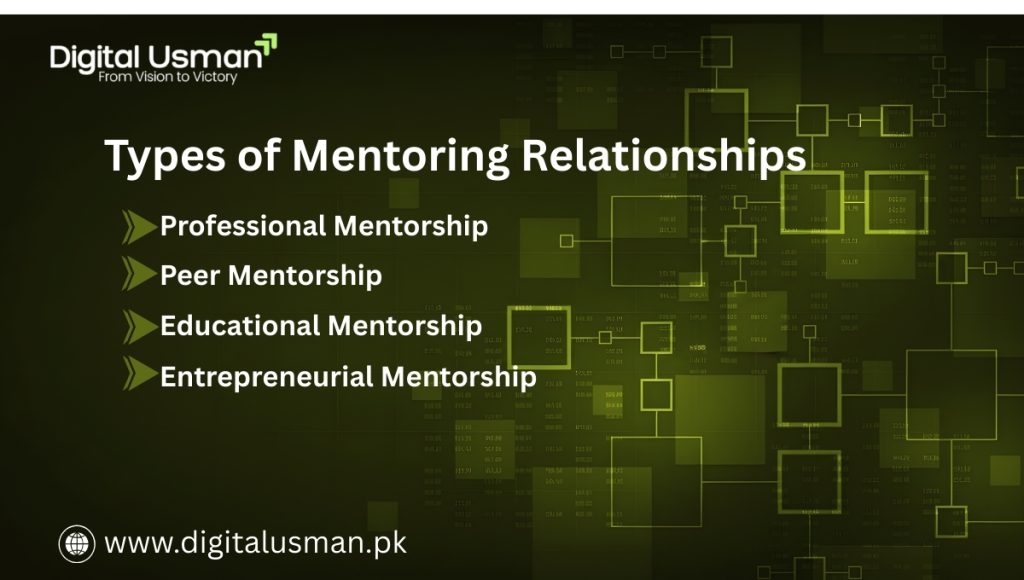
Understanding the role of a mentor also requires recognizing that mentorship takes different forms depending on the context, goals, and individuals involved. The types of mentoring relationships vary widely, and effective mentors adapt their approach accordingly.
Professional Mentorship
Professional mentor relationships focus primarily on career development, skill building, and navigating workplace dynamics. These relationships are common in corporate settings, where experienced professionals guide junior colleagues through the unwritten rules of organizational success. Professional mentors help mentees understand industry standards, develop technical competencies, and position themselves for advancement opportunities.
Youth Mentorship
Youth mentor relationships focus on guiding young people through the challenges of adolescence and early adulthood. These mentors help youth develop character, make positive choices, and envision promising futures for themselves. Youth mentorship often addresses holistic development rather than purely professional concerns, though career guidance may be part of the relationship.
Peer Mentorship
Peer mentorship involves individuals at similar career stages supporting each other’s growth. Unlike traditional hierarchical mentorship, peer mentorship is reciprocal, with both parties learning from and supporting each other. This form of mentorship can be particularly valuable for sharing recent experiences and navigating challenges that senior mentors may have forgotten, or that didn’t exist earlier in their careers.
Educational Mentorship
Mentors in education relationships focus on academic success, intellectual development, and navigating educational systems. These mentors might be teachers, professors, or more advanced students who help less experienced learners maximize their educational experiences and prepare for future academic or career pursuits.
Entrepreneurial Mentorship
A mentor for entrepreneur relationships focuses specifically on the unique challenges of starting and growing businesses. These mentors typically have entrepreneurial experience themselves and can provide practical guidance on everything from idea validation to fundraising to team building. The role of a mentor in entrepreneurial contexts is often more hands-on and urgent than in other settings, given the high-stakes nature of startup environments.
How Mr. Usman is the Best Mentor for Your Success Journey

When it comes to finding the right guidance for your professional journey, understanding what the role of a mentor is becomes personal and practical. This is where Mr. Usman stands out as an exceptional business mentor and digital marketing expert. You can visit the website to explore Mr. Muhammad Usman’s unique approach to mentoring. Unlike large agencies that offer standardized services, Mr. Usman provides personalized mentorship for individuals looking to start and grow their ventures on a small scale. His approach is unique because he does not offer packaged services or generic solutions. Instead, he delivers tailored instructions, plans, and strategies based on his extensive experience and expertise. For those wondering what a mentor does in real-world terms, Mr. Usman exemplifies the qualities of a good mentor. He commits to understanding each mentee’s unique situation and crafts customized guidance that addresses their specific challenges and goals.
To learn more about how Mr. Usman can help you achieve your goals, visit his website to read about his philosophy and approach, explore his blog for valuable insights on business and digital marketing, or get in touch to discuss how personalized mentorship can transform your entrepreneurial journey. His commitment to authentic, one-on-one guidance perfectly embodies the true role of a mentor discussed in this article. He demonstrates the profound impact a mentor can have on individuals who are willing to learn and grow. Whether you need help with business strategy, digital marketing, or overcoming entrepreneurial obstacles, his expertise covers it all. Through his mentorship, you will gain the clarity and direction needed to navigate challenges and achieve lasting success.
Conclusion
The role of a mentor is essential for guiding and developing future professionals through knowledge sharing, support, and opportunities. Effective mentorship requires genuine commitment to helping others grow while knowing when to guide and when to step back. For mentors, the ultimate reward is watching their mentees succeed and eventually mentor others themselves. In today’s world, the role of mentor remains irreplaceable for building stronger professional communities—a philosophy embraced by platforms like Digital Usman, where you can learn more about his approach or explore his blog and get in touch to start your mentorship journey.
FAQS
What is the role of a mentor in professional development?
The role of a mentor in professional development involves guiding individuals through career challenges, sharing industry expertise, and helping them build essential skills. Mentors provide personalized advice, help navigate workplace dynamics, and accelerate professional growth through accountability and networking opportunities.
How is a mentor different from a coach?
Coaching focuses on specific skills within a defined timeframe, while mentoring covers broader personal and professional development over an extended period. Mentoring builds long-term relationships based on trust and wisdom sharing, whereas coaching targets measurable performance goals.
What qualities make someone a good mentor?
The qualities of a good mentor include patience, active listening, empathy, and genuine commitment to others' growth. Effective mentors lead by example, provide constructive feedback, and know when to guide versus when to step back.